The Chilling Truth: Why Refrigeration Harms Your Potatoes
Are you one of the many home cooks who instinctively tosses a new bag of potatoes into the fridge, hoping to preserve their freshness? If so, you're not alone, but you might be making a common mistake that severely compromises your spuds! While it seems counterintuitive for many perishables, potatoes absolutely despise the cold, humid environment of your refrigerator. To store potatoes perfectly for a long time, you need to understand why the fridge is their worst enemy and embrace time-tested, simple storage solutions.
Far from keeping them fresh, refrigeration actively damages potatoes, leading to undesirable changes in their flavor, texture, and even their chemical composition. These changes aren't just minor inconveniences; they can ruin your culinary creations and, in some cases, even pose a subtle health risk when cooked. Let's delve into the science behind why your potatoes hate the fridge and discover the optimal way to keep them delicious and safe.
Understanding the Science: Starch, Sugar, and Acrylamide
The primary reason potatoes should never see the inside of your fridge lies in a process called "cold-induced sweetening." Potatoes are naturally rich in starch, which is a complex carbohydrate. When exposed to temperatures below 45-50°F (7-10°C), enzymes within the potato accelerate the conversion of this starch into simple sugars like glucose and fructose.
- Altered Flavor: This increase in sugar content drastically changes the potato's flavor profile. What should be an earthy, subtly savory vegetable becomes noticeably sweet, often with an unpleasant cloying undertone that's particularly undesirable in savory dishes like mashed potatoes, roasted potatoes, or fries. The natural, beloved potato taste is simply lost.
- Compromised Texture: Beyond taste, the texture suffers significantly. Refrigerated potatoes tend to become mealy, gritty, or even soggy after cooking. The breakdown of starch affects their structural integrity, making them less enjoyable whether boiled, baked, or fried.
- Acrylamide Risk: Perhaps the most concerning consequence of cold storage is the increased risk of acrylamide formation. When high-sugar potatoes are cooked at high temperatures (such as frying, roasting, or baking), the excess simple sugars react with an amino acid called asparagine, producing acrylamide. Acrylamide is a chemical compound that has been identified as a probable human carcinogen by the International Agency for Research on Cancer (IARC). While research is ongoing, minimizing exposure is a prudent step, and avoiding refrigeration is a key part of that strategy. The Food Standards Agency (FSA) specifically advises against storing raw potatoes in the fridge for this very reason.
In essence, putting potatoes in the fridge fundamentally alters their cellular structure and chemistry in ways that are detrimental to both their culinary quality and potential health implications. For detailed insights into preventing these issues, check out our guide on Master Potato Storage: Cool, Dark, Ventilated Secrets.
The Ideal Environment: How to Store Potatoes Perfectly for a Long Time
So, if the fridge is out, what's the secret to keeping your potatoes fresh, firm, and flavorful for weeks or even months? The answer lies in replicating their natural storage conditions: cool, dark, and well-ventilated. These three elements are crucial to inhibiting sprouting, preventing greening, and deterring spoilage.
Cool, Not Cold: Finding the Right Temperature
The ideal temperature range for potato storage is between 45-50°F (7-10°C). This is significantly warmer than your refrigerator (typically 35-40°F or 1-4°C) but cooler than average room temperature. Why this specific range?
- It's cool enough to significantly slow down the metabolic processes within the potato, which means delayed sprouting and reduced moisture loss.
- It's warm enough to prevent the cold-induced sweetening that leads to sugar buildup and acrylamide risk.
Excellent locations for achieving this temperature include a basement, a pantry, a root cellar, or even an unheated garage during cooler months. If these aren't options, find the coolest, darkest spot in your kitchen away from heat-generating appliances like ovens or dishwashers.
Darkness is Key: Preventing Greening and Bitterness
Potatoes need to be stored in complete darkness. Exposure to light, whether natural or artificial, triggers the production of chlorophyll (which causes the skin to turn green) and, more importantly, solanine. Solanine is a natural glycoalkaloid that develops in potatoes when exposed to light or physical damage. It tastes bitter and, in large quantities, can be toxic, causing symptoms like nausea, headaches, and digestive upset. While small green spots can often be trimmed away, heavily greened potatoes should be discarded.
To ensure darkness, store potatoes in opaque bags (like paper bags), bins, or baskets covered with a cloth. Avoid transparent containers or leaving them exposed on a countertop.
Ventilation: The Breath of Freshness
Proper airflow is paramount for preventing moisture buildup, which is the primary culprit behind mold and rot. Potatoes respire, releasing moisture and gases, and without adequate ventilation, this moisture gets trapped, creating a perfect breeding ground for bacteria and fungi. Plastic bags are the worst offenders, as they trap all moisture and accelerate spoilage.
Instead, opt for:
- Mesh bags: The kind they often come in from the grocery store are ideal.
- Paper bags: Allow some breathability.
- Open baskets or bins: Ensure air can circulate freely around the potatoes.
- Burlap sacks: A traditional and highly effective method.
Arranging potatoes in a single layer or in shallow containers, rather than piled high, also enhances air circulation, allowing you to store potatoes perfectly for a long time.
Common Pitfalls and Pro Tips for Longevity
Beyond the core principles of cool, dark, and ventilated, a few additional tips can extend the life of your potatoes and ensure optimal freshness.
- Never Wash Before Storing: The dirt on potatoes actually forms a protective barrier against moisture and spoilage. Only wash potatoes right before you're ready to use them. Washing and then storing them creates a damp environment that encourages rot.
- Separate from Ethylene Producers: Keep potatoes away from onions, apples, bananas, and other fruits and vegetables that release ethylene gas. Ethylene is a natural plant hormone that accelerates ripening and spoilage, meaning it will cause your potatoes to sprout much faster. This separation is crucial for long-term storage.
- Handle Gently: Bruised or cut potatoes are entry points for bacteria and mold. Handle them with care to avoid damage. If a potato is bruised or cut, use it first.
- Inspect Regularly: Even with ideal storage, it's a good practice to periodically check your potato stash. Remove any potatoes that show signs of spoilage (soft spots, mold, extensive greening, or large sprouts) immediately to prevent them from affecting their neighbors. One bad potato can quickly ruin the entire batch.
By following these guidelines, you can significantly prolong the shelf life of your potatoes, often keeping them fresh and firm for several weeks to a few months, depending on the variety and initial condition. For more comprehensive advice on maintaining peak potato quality, see Optimal Potato Freshness: Cool, Dark, Ventilated Storage.
Beyond the Basics: Maximizing Potato Freshness
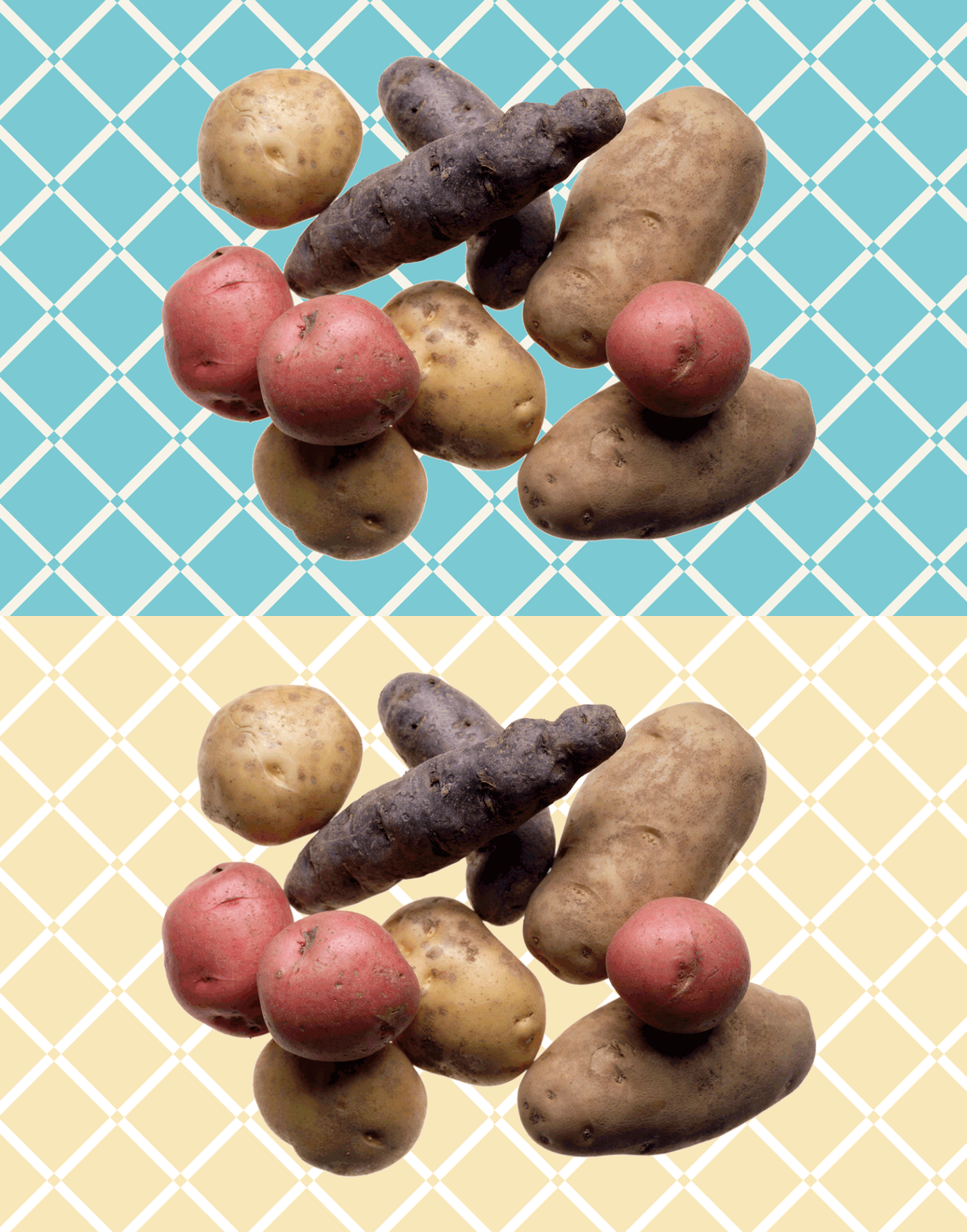
Understanding how to store potatoes perfectly for a long time isn't just about avoiding the fridge; it's about creating an environment that respects their natural biology. While the general principles apply to all potato varieties – from large Russets to delicate Fingerlings and versatile Yukon Golds – minor variations in skin thickness and moisture content might slightly affect their individual shelf life. Thicker-skinned potatoes like Russets tend to store longer than thinner-skinned varieties.
When you purchase potatoes, choose ones that are firm, free of blemishes, soft spots, sprouts, or green patches. These are signs of age or improper handling. Starting with high-quality produce is the first step towards successful long-term storage. If you find your potatoes starting to sprout, and the sprouts are small and the potato is still firm, you can simply trim the sprouts off and use the potato. However, if the sprouts are long, the potato is soft, or there's significant greening, it's best to discard it.
Remember, the goal is to slow down the natural aging process without introducing adverse chemical changes. The humble potato, when stored correctly, is one of the most versatile and economical staples in any kitchen. Treat them right, and they will reward you with their earthy goodness for an extended period.
Conclusion
In conclusion, when it comes to storing potatoes, the refrigerator is a definite no-go zone. The cold temperatures trigger undesirable starch-to-sugar conversion, leading to unpalatable flavors, mushy textures, and a potential increase in acrylamide formation when cooked. Instead, embrace the triumvirate of optimal potato storage: cool, dark, and well-ventilated conditions. By selecting a suitable location, ensuring proper airflow, and keeping them separated from ethylene-producing produce, you can effortlessly store potatoes perfectly for a long time, preserving their natural deliciousness and ensuring they're always ready for your next culinary adventure. Ditch the fridge for your spuds and enjoy perfectly fresh potatoes, every single time.
