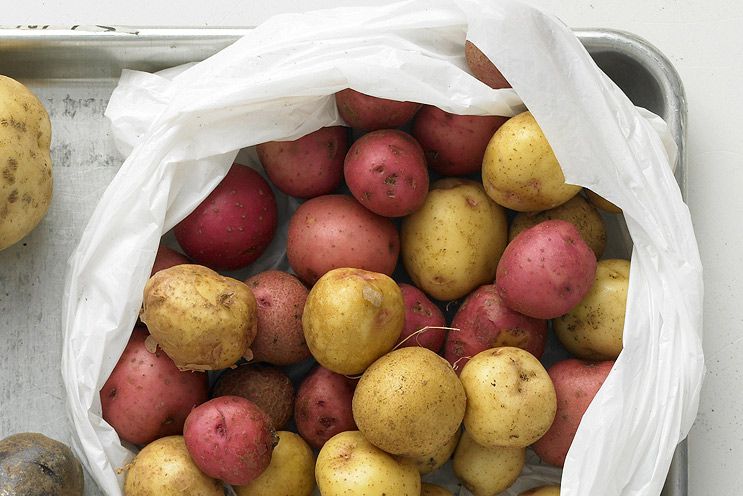
The Foundation of Optimal Potato Freshness: Why Storage Matters
Potatoes are a culinary staple, versatile and comforting, forming the backbone of countless meals worldwide. Yet, all too often, these humble tubers end up sprouting, softening, or even turning green long before their time. The secret to enjoying firm, flavorful potatoes week after week isn't complex; it simply requires understanding and respecting their natural needs. Achieving Master Potato Storage: Cool, Dark, Ventilated Secrets is about more than just convenience; it's about preserving their intrinsic quality, preventing food waste, and ensuring every dish you prepare with them is as delicious as intended. When you store potatoes perfectly for a long time, you unlock their full potential, maintaining their starch content, texture, and earthy flavor.
Improper storage, on the other hand, can quickly degrade their quality. Exposure to light can lead to the formation of solanine, a bitter and potentially toxic compound, indicated by greening. Warm temperatures accelerate sprouting and softening, while excessive moisture invites mold and rot. Even seemingly innocuous actions, like storing them in the wrong place in your kitchen, can significantly shorten their lifespan. This comprehensive guide will delve into the optimal conditions and practical strategies to ensure your potatoes remain fresh, firm, and ready for your next culinary adventure.
Unpacking the "Cool, Dark, Ventilated" Secret to Longevity
The cornerstone of successful potato preservation revolves around three critical environmental factors: coolness, darkness, and ventilation. Together, these conditions mimic the ideal underground environment where potatoes naturally thrive before harvest, significantly extending their shelf life and safeguarding their quality.
Coolness: The Goldilocks Zone for Potatoes
When we talk about "cool," we're aiming for temperatures that are just right – not too warm, and certainly not freezing. The optimal temperature range for storing potatoes is generally between 45-50°F (7-10°C). This is significantly cooler than typical room temperature (68-72°F or 20-22°C) but warmer than refrigerator temperatures. Why is this range so crucial?
- Slowing Metabolic Processes: Cooler temperatures naturally slow down the potatoes' metabolic activity, which is responsible for respiration and the conversion of starches into sugars. This deceleration delays sprouting and keeps the potatoes firm for longer.
- Preventing Dehydration: While warmth can lead to faster moisture loss, excessive cold can also be detrimental. The ideal cool environment helps maintain the potato's internal moisture balance without causing cellular damage.
- Avoiding Sprouting: Temperatures above 50°F (10°C) significantly accelerate sprouting, a process where the potato uses its stored energy to grow new shoots. These sprouts drain the potato of nutrients, making it soft and less palatable.
Ideal locations in your home might include a cool basement, a pantry away from heat-emitting appliances, a root cellar, or even an unheated garage (provided temperatures don't drop below freezing). Avoid placing them near windows, ovens, or other heat sources.
Darkness: Guarding Against Greening and Bitterness
Just as critical as temperature is the absence of light. Potatoes exposed to direct or indirect light, especially sunlight or fluorescent light, undergo a process called greening. This isn't just a superficial color change; it's a significant indicator of two chemical changes:
- Chlorophyll Production: The green color itself comes from chlorophyll, a harmless pigment.
- Solanine Synthesis: More importantly, light exposure also triggers the production of solanine, a natural glycoalkaloid. Solanine is bitter-tasting and, in high concentrations, can be toxic to humans, causing symptoms like nausea, vomiting, diarrhea, and headaches. While small green spots can often be cut away, heavily greened potatoes or those with a very bitter taste should be discarded.
To prevent this, always store potatoes in a completely dark environment. A cupboard, a dark corner of a pantry, or an opaque container will serve this purpose effectively. Ensure that even indirect ambient light doesn't reach them.
Ventilation: The Breath of Freshness
The third pillar of perfect potato storage is adequate ventilation. Potatoes are living organisms that respire, releasing moisture and gases, including ethylene. Proper airflow is essential to prevent several common issues:
- Preventing Moisture Buildup: Without ventilation, moisture released by the potatoes can accumulate, creating a damp environment that is a breeding ground for mold and bacteria, leading to rot.
- Dissipating Ethylene Gas: Potatoes, like many fruits and vegetables, produce ethylene gas, a natural plant hormone that accelerates ripening and sprouting. Good ventilation ensures this gas dissipates into the air instead of concentrating around the potatoes, which would hasten their deterioration. This is also why it's crucial to keep potatoes away from other ethylene-producing produce like onions and apples.
- Maintaining Skin Integrity: Air circulation helps keep the potato skins dry, which is their natural protective barrier against pathogens.
For optimal ventilation, store potatoes in breathable containers. Excellent choices include mesh bags, burlap sacks, open-weave baskets, or even perforated plastic bins. Avoid airtight containers, plastic bags (unless they have numerous ventilation holes), or sealed boxes, as these trap moisture and gases, suffocating the potatoes and accelerating spoilage.
The Fridge Fiasco: Why Cold Storage is a Potato's Worst Enemy
Contrary to popular belief, the refrigerator is one of the worst places to store your potatoes for long-term freshness. While it might seem like a logical choice for keeping produce cool, the specific cold temperatures of a fridge (typically 35-40°F or 1-4°C) trigger undesirable chemical changes that significantly compromise the potato's flavor, texture, and even its cooking safety. For a deeper dive into this phenomenon, explore Avoid Refrigeration: Why Your Potatoes Hate the Fridge.
The Starch-to-Sugar Conversion: Sweet but Unwanted
The primary reason to avoid refrigerating potatoes is a process known as "cold-induced sweetening." At low temperatures, enzymes within the potato accelerate the conversion of its starches into sugars (glucose and fructose). This results in potatoes that taste noticeably sweeter, which might sound appealing, but it fundamentally alters their natural flavor profile. When cooked, these excess sugars can caramelize too quickly, leading to uneven browning, a burnt taste, and a darker appearance, especially in dishes like french fries or roasted potatoes.
Compromised Texture: Gritty, Watery, or Mushy
The cellular structure of potatoes is also negatively impacted by refrigeration. The extreme cold can cause water within the cells to expand and rupture, leading to a breakdown of the cell walls. This damage manifests as an undesirable change in texture: refrigerated potatoes can become gritty, watery, or mushy when cooked, losing their characteristic firm and fluffy consistency.
The Acrylamide Concern: A Safety Consideration
Beyond flavor and texture, there's a potential food safety concern. When potatoes that have undergone cold-induced sweetening are cooked at high temperatures (e.g., frying, roasting, baking), the increased sugar content can react with amino acids (specifically asparagine) to form acrylamide. Acrylamide is a chemical compound that is classified as a probable human carcinogen by the International Agency for Research on Cancer. While the levels formed in home cooking are generally low, it's an additional reason to avoid refrigerating potatoes before high-temperature cooking.
Beyond the Basics: Advanced Tips for Storing Potatoes Perfectly for a Long Time
While cool, dark, and ventilated are the pillars of optimal potato freshness, a few additional strategies can further enhance their longevity and quality.
1. Start with Quality Potatoes
The success of your storage efforts begins at the grocery store or farmer's market. Choose potatoes that are:
- Firm to the Touch: Avoid any that are soft, shriveled, or spongy.
- Blemish-Free: Look for potatoes without cuts, bruises, sprouts, or significant greening. Even small imperfections can be entry points for mold and bacteria, accelerating spoilage.
- Dry and Clean: Potatoes should be dry to the touch. Excess moisture on the skin is an invitation for rot.
2. Resist the Urge to Wash Before Storing
It might be tempting to wash off any dirt before putting your potatoes away, but this is a common mistake. Washing removes the potato's natural protective layer and introduces moisture, creating an ideal environment for microbial growth. Instead, brush off any loose dirt gently, and only wash them just before you're ready to cook.
3. Practice Strategic Separation
As mentioned earlier, ethylene gas emitted by certain fruits and vegetables can trigger sprouting in potatoes. Therefore, it's crucial to store potatoes away from:
- Onions: Perhaps the most common culprit, onions are notorious for accelerating potato sprouting.
- Apples and Bananas: These also produce significant amounts of ethylene gas.
Ideally, store potatoes in a completely separate area from these items.
4. Regular Inspection and Rotation
Even under ideal conditions, it's wise to periodically check your stored potatoes – perhaps once a week. Look for any signs of spoilage, such as:
- Soft Spots or Mold: Remove and discard immediately. One bad potato can quickly affect the rest.
- Significant Sprouting: Small sprouts can often be rubbed off, especially if the potato remains firm. However, extensive sprouting indicates the potato is losing its nutritional value and firmness.
- Extensive Greening: While small green patches can be cut off, if a potato is heavily greened or tastes bitter, it should be discarded.
Consider rotating your stock, using older potatoes first to ensure consistent freshness.
5. Optimize Your Storage Space
If you don't have a dedicated root cellar, get creative. A corner of a pantry that stays cool, a sturdy wooden crate lined with newspaper in a basement, or even a breathable potato bin specifically designed for storage can work wonders. Just ensure it meets the cool, dark, and ventilated criteria.
6. Understand Variety Differences
Not all potatoes are created equal when it comes to storage. Some varieties, particularly those with thicker skins like Russets or certain types of Yukon Golds, tend to store longer than thinner-skinned varieties like new potatoes or fingerlings. If you plan for very long-term storage, consider purchasing varieties known for their good keeping qualities.
Conclusion: The Payoff of Perfect Potato Preservation
Mastering the art of potato storage is a simple yet incredibly rewarding skill. By embracing the principles of cool, dark, and ventilated environments, and steering clear of the common mistake of refrigeration, you can significantly extend the life of your potatoes, preserving their flavor, texture, and nutritional value. Implementing these practical tips – from careful selection to strategic separation – will not only reduce food waste in your kitchen but also ensure that every potato dish you prepare is made with ingredients at their absolute peak. So, next time you bring home a bag of spuds, remember these guidelines, and enjoy optimal potato freshness for weeks, even months, to come.
